
onlinenewskansascity Logo Onlinenewskansascity Plan Your Ride
Navigation
Plan Your Ride

Choosing the Right Bike for Coastal Cycling

9 min read Beginner May 2026

Finding the right bike for longer coastal rides doesn't have to be complicated. Here's what to look for in a reliable, comfortable machine that won't break the bank.

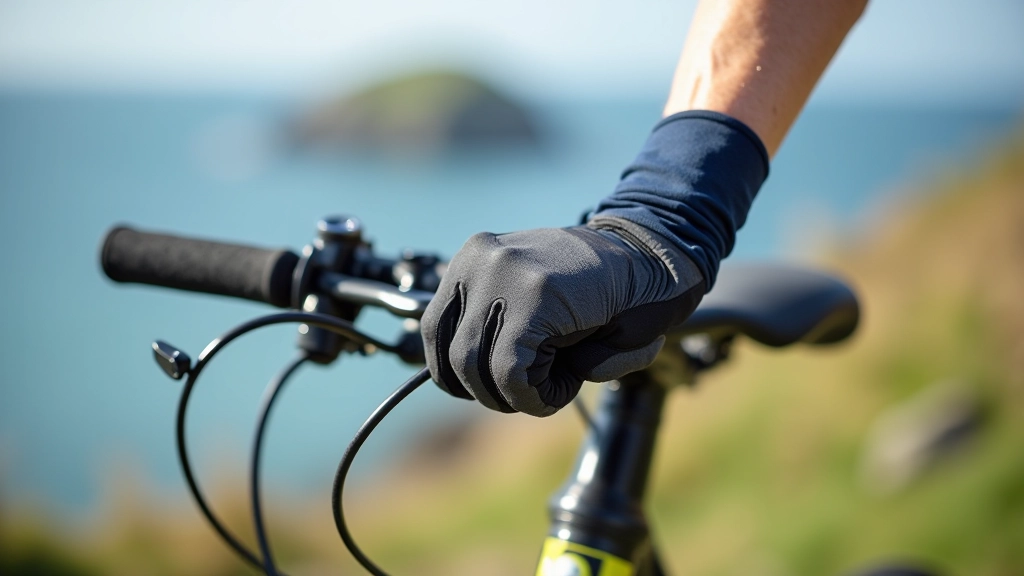
Close-up of bicycle handlebars and grips showing comfortable handlebar position for extended coastal cycling rides
Síle O'Malley, Senior Cycling Accessibility Expert

Síle O'Malley

Senior Cycling Accessibility Expert

Cycling accessibility expert with 14 years' experience designing and documenting gentle coastal routes for older riders across Ireland.

Why Your Bike Matters on Coastal Routes

You're going to spend 3-4 hours in the saddle on a coastal ride. That means comfort isn't a luxury — it's essential. The right bike takes stress off your joints, keeps you stable on windy days, and actually makes you want to ride again next weekend.

The good news? You don't need something flashy or expensive. You need a machine that's built for what you're actually doing: rolling along scenic coastal paths at a relaxed pace, handling some hills, and dealing with Atlantic wind.

Frame Size and Geometry: Starting with the Basics

Frame size is where you start, not where you finish. A frame that's too small leaves you hunched. Too large and you're reaching too far. You want to stand over the frame with feet flat on the ground — there should be 1-2 inches of clearance between your body and the top tube.

For coastal cycling, you're after relaxed geometry. That means a longer wheelbase for stability and a slightly higher handlebar position. Dropped racing bars sound sleek, but they'll have you straining your neck and shoulders after an hour. Flat or slightly upturned bars let you sit upright, which spreads your weight better and reduces strain on your wrists and lower back.

The Comfort Test

When you're sitting on the saddle with hands on the bars, your elbows should have a slight bend. Not locked straight, not folded tight. That's your sweet spot.
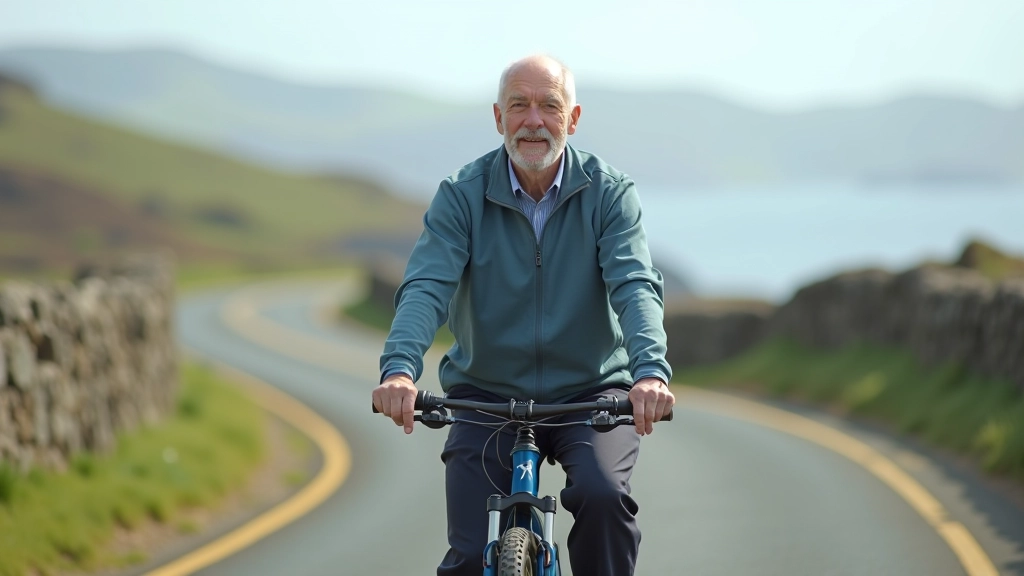
Cyclist demonstrating proper frame geometry and sitting position on hybrid bike, showing upright posture and relaxed shoulder alignment
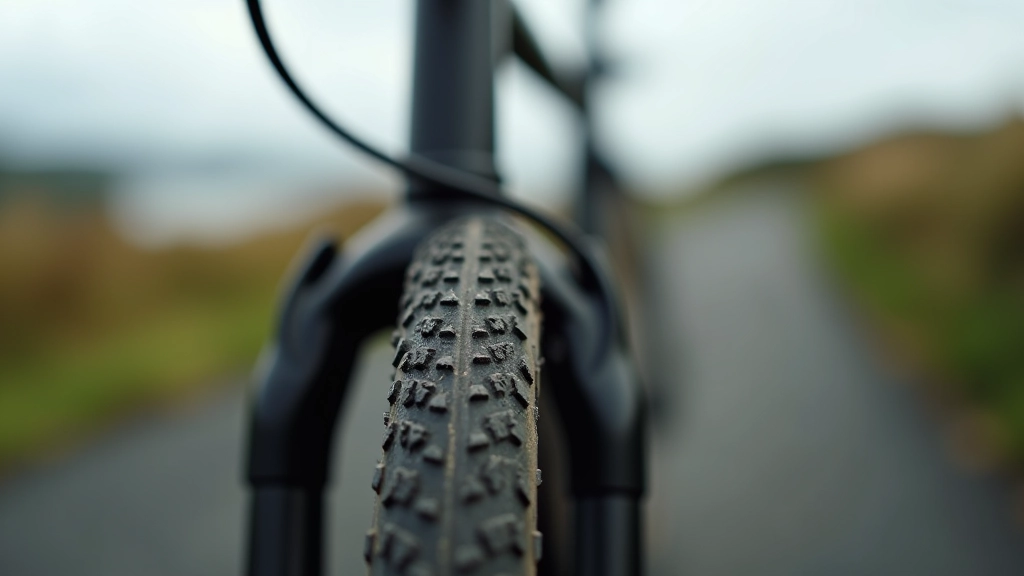
Close-up of hybrid bike tires showing tread pattern and width suitable for mixed terrain coastal cycling routes

Tires: Your Connection to the Road

Tires matter more than people think. You'll encounter asphalt, gravel sections, and the occasional pothole on coastal routes. Narrow racing tires (23-25mm) feel fast but they're twitchy and unforgiving. You want something wider — 28-35mm — that rolls smoothly and absorbs bumps.

Hybrid bikes typically come with decent all-terrain tires. They're not aggressive knobbles like a mountain bike, but they've got enough tread for grip in wet conditions. That matters when Atlantic wind is pushing you sideways. Look for tires with some tread pattern, not completely slick. The difference between skidding on wet pavement and holding your line is sometimes just the rubber.

Braking Power: Stopping Safely in All Weather

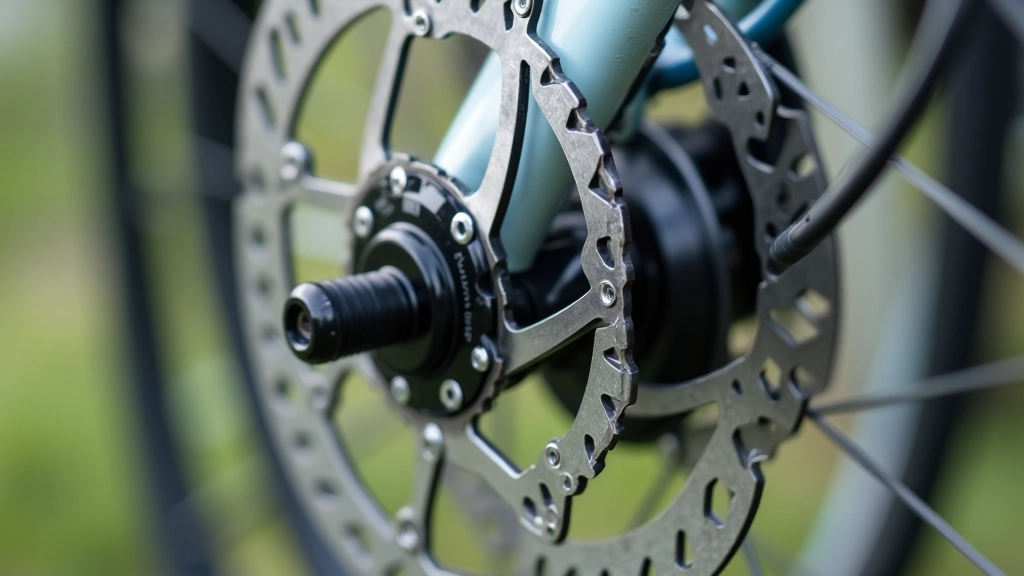
You need brakes you can trust. Rim brakes work fine on dry days, but they lose bite when it's wet and salty. Disc brakes — whether mechanical or hydraulic — are honestly worth the investment. They stop reliably in coastal conditions where salt spray and moisture are constant.

Hydraulic disc brakes are smoother and need less hand strength, which matters on a long ride when your hands are already tired. Mechanical discs are simpler to maintain and still offer good stopping power. Either way, you're getting brakes that'll work when you need them most.

Test the brakes before you buy. They should be smooth to engage — not grabby — and they shouldn't require squeezing hard. If your hand is cramping from braking, it's the wrong bike.

Detail view of disc brake system on bicycle showing rotor and caliper mechanism in clear daylight
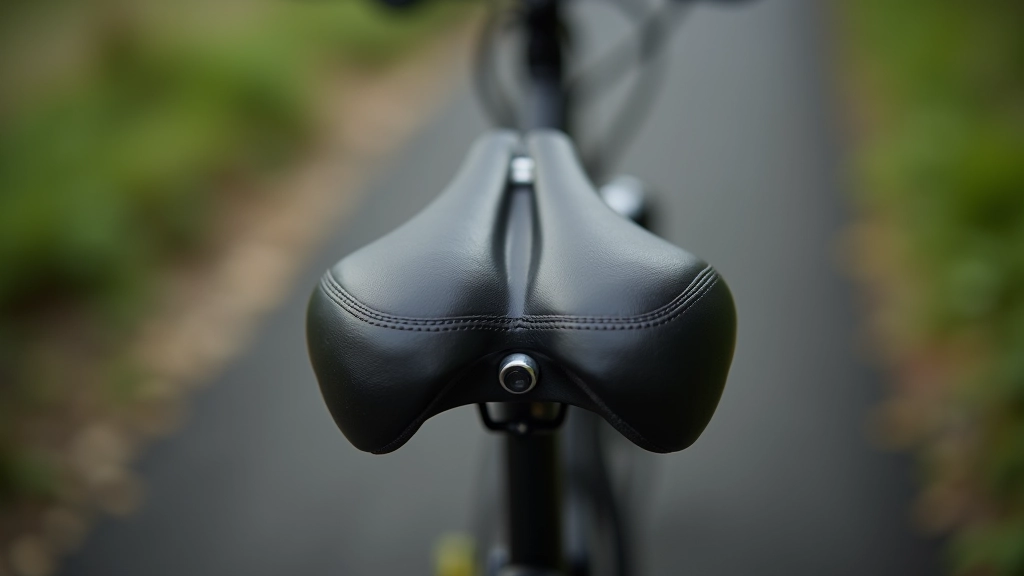
Hybrid bicycle saddle showing wide, cushioned design appropriate for comfort cycling and extended riding sessions

The Saddle: Don't Underestimate Comfort

A saddle that doesn't fit your body is torture after 90 minutes. Racing saddles are thin and pointy. You don't want that. Look for a saddle with real padding — at least 30-35mm thick — and a wider profile (140-150mm). Your sit bones need support, not a narrow perch.

Some shops will let you test ride bikes or even swap saddles. Do it. What feels comfortable in a 10-minute shop ride might become painful on a 4-hour coastal loop. Gel-padded saddles are fine, though leather saddles with springs underneath are actually brilliant for absorbing road vibration — they just need a break-in period.

Three Bike Types That Work for Coastal Cycling

You've got options. Here's what's realistic for longer coastal routes:

Hybrid Bikes

The sweet spot for most people. They're stable, comfortable, and handle mixed terrain. You'll find good quality ones at €400-700. Flat handlebars, wider tires, upright seating — it's built for what you're actually doing.

Gravel Bikes

Slightly sportier than hybrids but still comfortable. They handle gravel sections brilliantly and roll smoothly on asphalt. Budget €600-1000. Drop bars are optional — many modern gravel bikes have flat or riser bars.

Road Bikes with Comfort Geometry

Lighter and faster if you want to cover distance. Endurance road bikes have relaxed geometry and wider tire clearance. Skip the racing geometry. €700-1200 gets you something solid.

Practical Considerations for Coastal Riding

Weight Matters, But Not the Way You Think

A lighter bike feels nicer climbing hills. But you're not racing. The difference between 11kg and 13kg matters way less than having a bike you actually enjoy riding. Don't pay extra for carbon fiber unless you want to. A good steel or aluminum frame at €500 beats a light frame that's uncomfortable.

Gearing for Coastal Hills

You'll encounter hills on routes like the Achill Island Atlantic Drive. Make sure your bike has a low gear — something like a 34-tooth or smaller chainring. Granny gears aren't cheating. They're smart. A triple chainring (3 front rings) gives you more options than a double, especially if you're climbing with panniers or fatigue setting in.

Cargo Capacity

You'll want to carry water, snacks, a light jacket, sunscreen. Check if your bike has mounting points for a rack. Not all bikes do. Hybrid and gravel bikes usually have them. Carrying a backpack for 4 hours puts strain on your shoulders — a rear rack and panniers distribute weight properly.

Where and How to Buy

Local bike shops are your best bet. You get expert fitting, you can test ride, and they'll adjust things as you break the bike in. Online is cheaper, but you're gambling on fit and you'll need to do basic setup yourself.

Don't rush. Visit a few shops. Try different bikes. Spend 20 minutes on each one, not just 5. Your body will tell you what's comfortable. If something feels off after a test ride, it'll feel worse after 3 hours on the road.

Budget-wise, €500-800 gets you a solid hybrid or gravel bike from a reputable brand. That's not luxury money. That's normal money for a reliable machine you'll actually use.

The Bottom Line

Choosing the right bike isn't about getting the fanciest model or the lightest frame. It's about finding something that fits your body, handles the terrain you'll encounter, and makes you comfortable enough to ride for hours without pain. A well-fitted hybrid or gravel bike at a reasonable price will serve you better on coastal routes than an expensive racing bike that doesn't suit your riding style.

Take your time. Test multiple bikes. Listen to your body. And remember — the best bike is the one you'll actually ride. Once you've got that sorted, you're ready to explore those gorgeous coastal routes with confidence.

Important Disclaimer

This article provides educational information about selecting bicycles for coastal cycling. It's not a substitute for professional bike fitting or advice from a qualified mechanic. Everyone's body is different, and what works for one person might not suit another. Before purchasing any bike, test ride it if possible and consult with staff at a local bike shop who can assess your individual needs, flexibility, and riding goals. Always wear appropriate safety gear including a helmet, and follow local traffic laws and safety guidelines when cycling.