Weather Safety and Gear for Atlantic Coastal Routes

Coastal riding isn't just about the scenery — it's about respecting the weather that comes with it. Atlantic winds, sudden rain showers, and temperature swings are all part of the experience. But they're manageable. We're talking about the right layers, proper gear, and a realistic understanding of what you're facing out there.
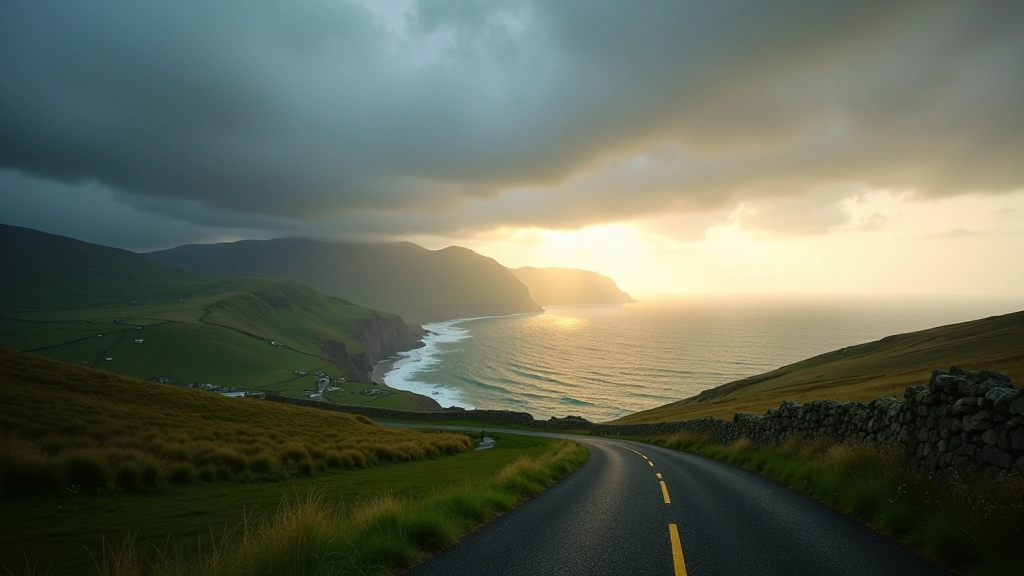
The good news? You don't need to be a weather expert or invest in high-tech equipment to stay comfortable and safe. Most experienced coastal cyclists will tell you it's about three things: preparation, layering, and knowing when conditions are simply too rough. This guide covers what you actually need, how to read coastal weather patterns, and practical tips from riders who've logged thousands of kilometres along routes like the Achill Island Atlantic Drive.
Understanding Coastal Wind and Weather Patterns
Coastal areas aren't randomly windy — there's actual logic to it. The Atlantic generates consistent wind patterns, especially along routes like the Atlantic Drive. You'll notice stronger winds in autumn and winter (September through March), with spring and early summer offering more stable conditions. Wind speeds rarely drop below 15-20 km/h near the shoreline, even on "calm" days.
Here's what matters for your ride: wind direction affects you more than raw speed. A headwind at 25 km/h makes pedalling genuinely tough. A crosswind that's 30 km/h pushes you sideways and feels unstable. A tailwind? You'll barely notice it until you turn around. Most coastal riders learn to plan their route direction based on wind forecasts — head into the wind early when you're fresh, ride with it on the return leg.
Rain comes fast along the coast. It's not always a dealbreaker, but you need to dress for it. Temperature drops of 5-10 degrees Celsius happen within minutes when Atlantic showers roll in. That's why you can't just wear whatever feels comfortable at the car park — you're dressing for conditions that'll change.
The Layering System That Actually Works
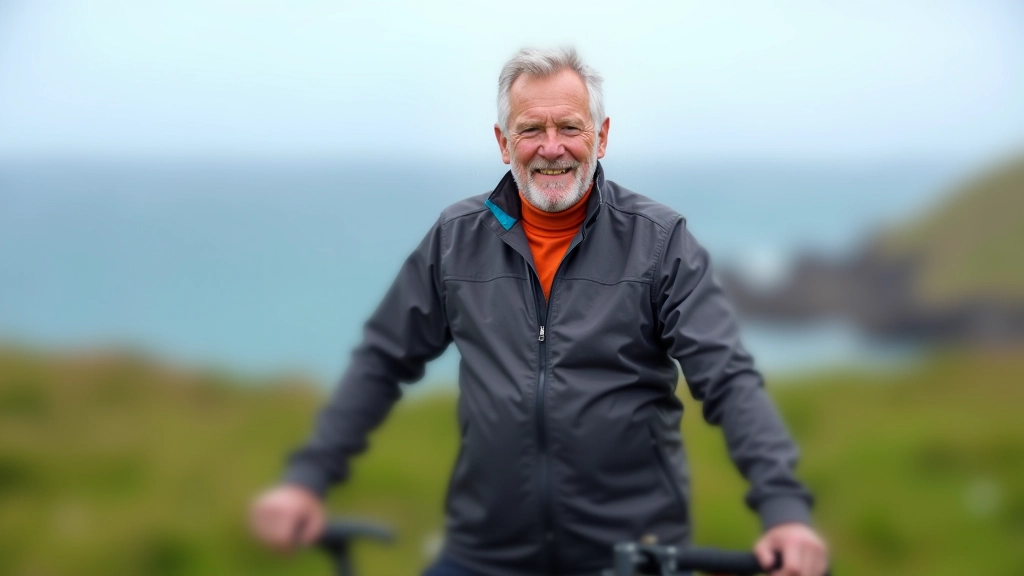
Forget the idea of wearing a heavy jacket. Coastal cyclists succeed with layers — three of them, ideally. You add or remove as conditions change, which beats being either too cold or overheating.
Base Layer
Merino wool or synthetic — never cotton. This sits against your skin and pulls sweat away. A good base layer keeps you warm even when it's damp, which is crucial on the Atlantic coast where you're guaranteed moisture. Long sleeves, even in summer, because UV protection matters and you'll be grateful for it in a sudden wind chill.
Middle Layer
A lightweight fleece or wool jersey that traps warm air. This is your insulation. On milder days (10-15°C), you might skip this. On anything colder, it's non-negotiable. Wear something that fits snugly enough to layer over without bunching, but loose enough to move in.
Outer Layer
A proper cycling windbreaker or lightweight waterproof jacket. This stops wind and light rain. You're not looking for heavy, rigid gear — that restricts movement. A packable waterproof jacket you can stuff in a pannier weighs almost nothing and handles 90% of Atlantic weather situations.
Riders often ask about temperature thresholds. Below 5°C, add full-length tights. Below 0°C (rare on Atlantic routes), consider leg warmers under tights. Above 15°C, you might strip to just a base layer and jacket. The system adapts.
Essential Gear Beyond Clothing
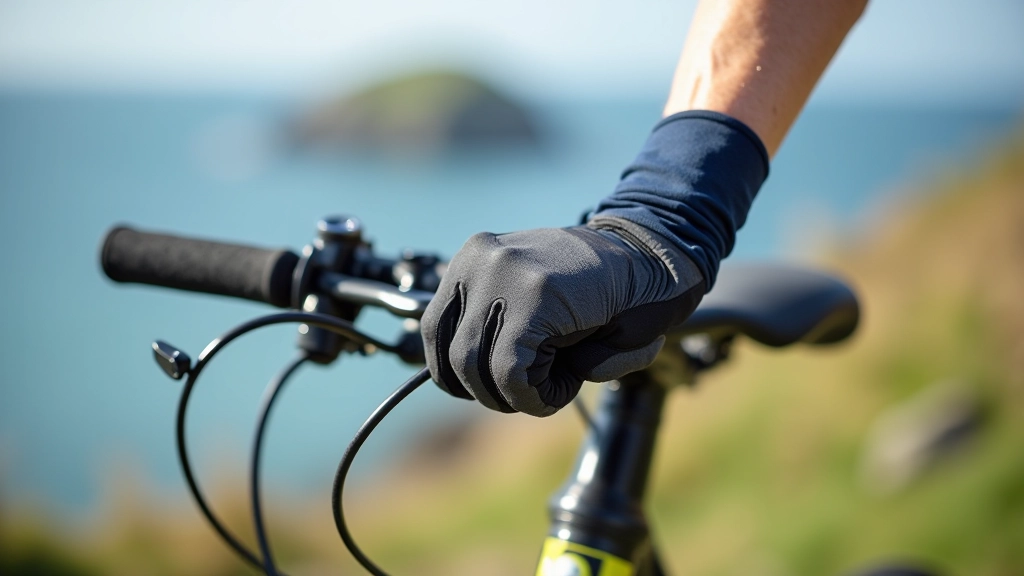
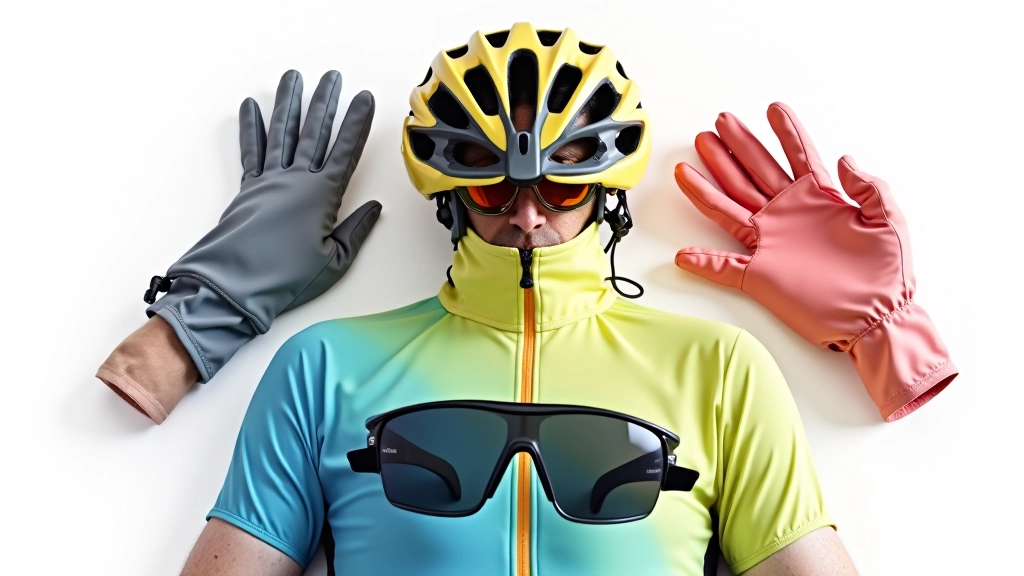
Clothing handles temperature and rain, but other gear matters just as much. Gloves aren't optional on coastal routes. Even at 12°C, hands get cold fast in wind. You want gloves with grip on the palms (for wet brakes), some insulation, and windproof material. Mitts work better than individual fingers if temperature drops below 8°C.
Eyewear protects against salt spray and wind. Polarised lenses cut glare off the ocean. Clear lenses work on overcast days. A simple approach: pick one pair that fits securely (wind won't rip them off) and brings spares in a pannier. Your eyes are more vulnerable than you'd think after 2-3 hours of exposure.
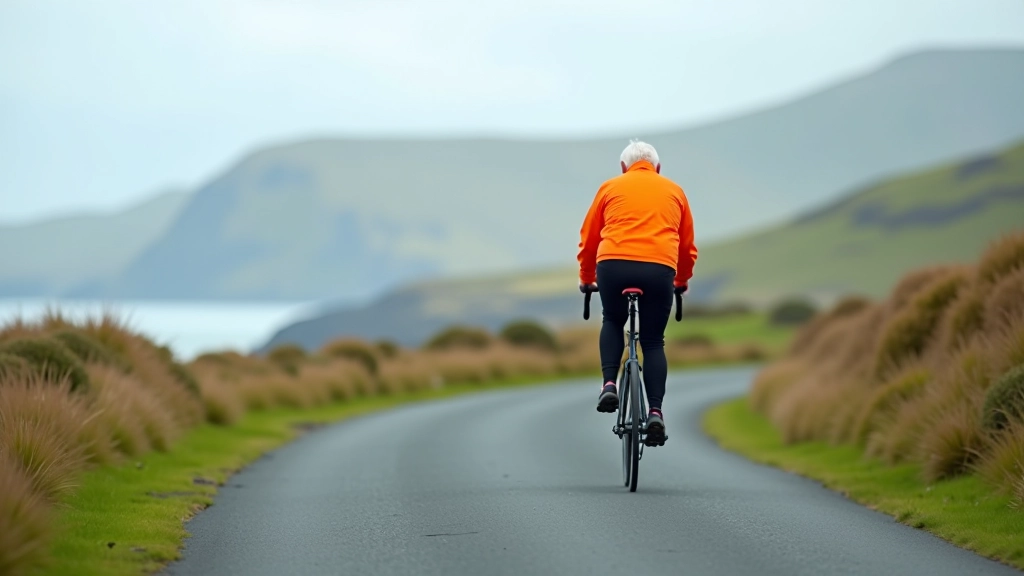
Visibility gear isn't just for safety — it's psychological. A bright orange or yellow jacket makes you feel more confident, and drivers spot you easier in coastal haze or drizzle. Reflective bands on ankles and wrists cost nothing and help tremendously during early morning or late afternoon rides when coastal light gets tricky.
Real Safety Strategies for Coastal Conditions
Wind and weather create specific hazards on coastal routes. Understanding them beats panicking when conditions shift.
Crosswind Technique
When wind hits you sideways, lean slightly into it. Keep your grip relaxed on the handlebars — tension transfers wind pressure to your arms and makes you feel unstable. Wider tyres (32mm+) help significantly. Riding alone feels harder than group riding in crosswinds because you don't have others blocking gusts.
Wet Road Braking
Rim brakes lose grip in rain — disc brakes handle it better. Whatever your setup, brake earlier and gentler. Wet tarmac reduces stopping power by 20-30%. Give yourself double the normal stopping distance when roads are slick. Salt spray from ocean waves makes roads greasy even without rain.
Temperature Drops
Coastal weather changes fast. Bring a packable jacket even on mild mornings — you'll need it by midday. Hypothermia risk is real if you're damp and exposed to wind for extended periods. Keep moving rather than stopping in windy spots. A 15-minute rest on a blustery clifftop can drop your core temperature dangerously.
Coastal Visibility
Sea fog (known locally as haar) can roll in without warning. Visibility drops to 50 metres in seconds. Ride with lights even during daytime. Use a rear light on your seatpost — it's visible further back than helmet lights. High-visibility clothing becomes critical when fog thickens.
Weather Condition Breakdown: What's Rideable
Not every weather day is equal. Here's how experienced coastal riders assess conditions and decide whether to ride or postpone.
Good Conditions
Winds below 20 km/h, temperatures 8-18°C, no heavy rain. You'll enjoy the ride and stay safe. This happens roughly 40% of days on the Atlantic coast. Dress normally with a light windbreaker, and you're comfortable for hours.
Manageable Conditions
Winds 20-30 km/h, light rain, temperatures 5-8°C or 18-22°C. You can ride safely if you're experienced and properly dressed. Full layers, waterproof jacket, gloves. The ride's harder and less enjoyable, but it's doable. This is about 35% of coastal days.
Challenging Conditions
Winds 30-40 km/h, heavy rain, temperatures below 5°C or above 25°C. Only experienced coastal riders should venture out. You need confidence in handling gusts and riding in poor visibility. Shorten your route. Plan escape routes to shelter. Beginners should stay home — no shame in that.
Dangerous Conditions
Winds above 40 km/h, visibility under 50 metres, or a combination of severe weather. Don't ride. Seriously. Even experienced cyclists skip coastal routes when gales hit. The Atlantic isn't forgiving when conditions turn properly rough.
Pre-Ride Weather Checklist
Before heading out on any coastal route, use this simple checklist. Takes two minutes and catches most problems.
"I used to avoid coastal routes when wind picked up. Then I
realized the gear and technique made all the difference. Now
I'm out there in conditions that would've stopped me five
years ago. The Atlantic doesn't scare me anymore — it just
means planning better."
This isn't unusual. Most riders who stick with coastal cycling go through the same progression. Your first coastal rides feel sketchy in wind. You feel like the weather's in control. Then you get proper gear, understand the patterns, and develop technique. Suddenly you're the one staying calm while beginners are turning back.
The Achill Island Atlantic Drive is rideable 300+ days a year if you dress right and plan around wind direction. Even the rougher days become manageable once you've done them a few times. That confidence builds faster than you'd expect.
Moving Forward: Building Your Coastal Riding Skills
Coastal weather isn't an obstacle to overcome — it's part of what makes these routes special. The challenge is part of the appeal. Once you've got the basics down (three-layer system, proper gloves, wind awareness, decent braking technique), you're equipped for almost anything the Atlantic throws at you.
Start with good conditions. Build your confidence and technique before tackling rougher days. Learn your body's signals — when you're getting cold, when you need to eat, when fatigue's affecting your bike handling. The more rides you do, the better you'll read conditions and know your limits. That's how safe coastal cycling actually works.
The Atlantic coast has been drawing cyclists for decades. The routes aren't going anywhere. Take your time, dress smart, and you'll join the community of riders who genuinely love these exposed, challenging, beautiful coastal days.
Disclaimer
This article provides educational information about coastal cycling conditions and gear. It's not a substitute for personal judgment, local knowledge, or professional advice. Weather conditions vary by location and season. Always check current forecasts, understand your own fitness level, and assess conditions in person before riding. Coastal areas can be hazardous — wind, rain, cold, and poor visibility create real risks. If you're uncertain about conditions or your ability to handle them safely, don't ride. Consult experienced local cyclists or cycling instructors for personalized guidance on your specific routes and abilities.
Related Reading