
The difference between a day you'll remember and a day that leaves you exhausted isn't the distance — it's how you structure it. Pacing yourself properly and knowing where to rest aren't signs of weakness. They're the mark of someone who's figured out how to enjoy cycling for the long term.
We're talking about building a rhythm that works for you, identifying good stopping points, and understanding how much time your body actually needs to recover between pushes. Most riders who get into trouble on longer routes are doing too much too soon, with nowhere good to stop and recharge.
Understanding Your Personal Pace
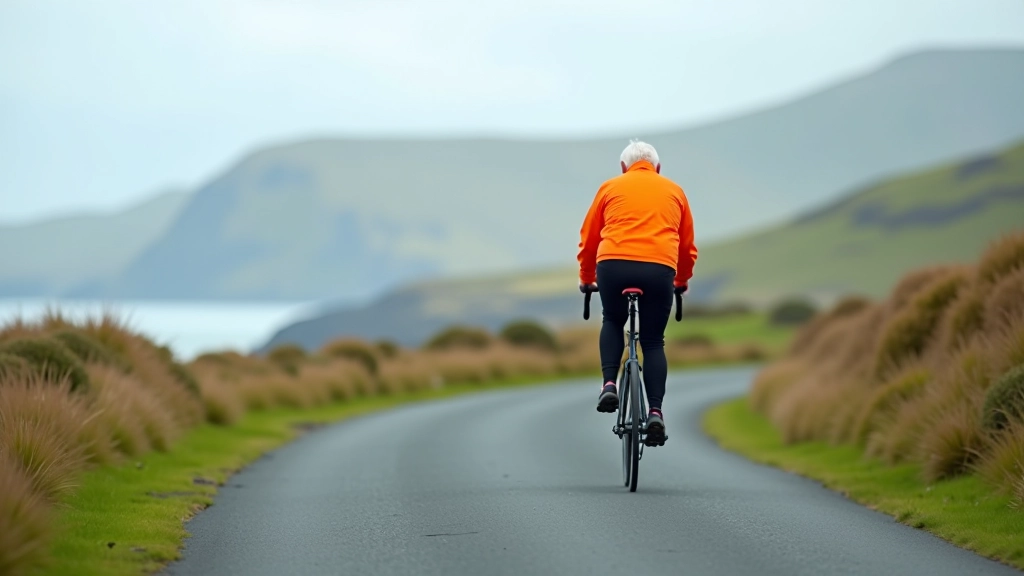
Your pace isn't about speed. It's about sustainability. If you're cycling at 12 kilometres per hour but your breathing's laboured and your legs are burning, that's too fast for a full day. Your pace should feel manageable enough that you can have a conversation while riding — this is sometimes called the "talk test" and it's remarkably accurate.
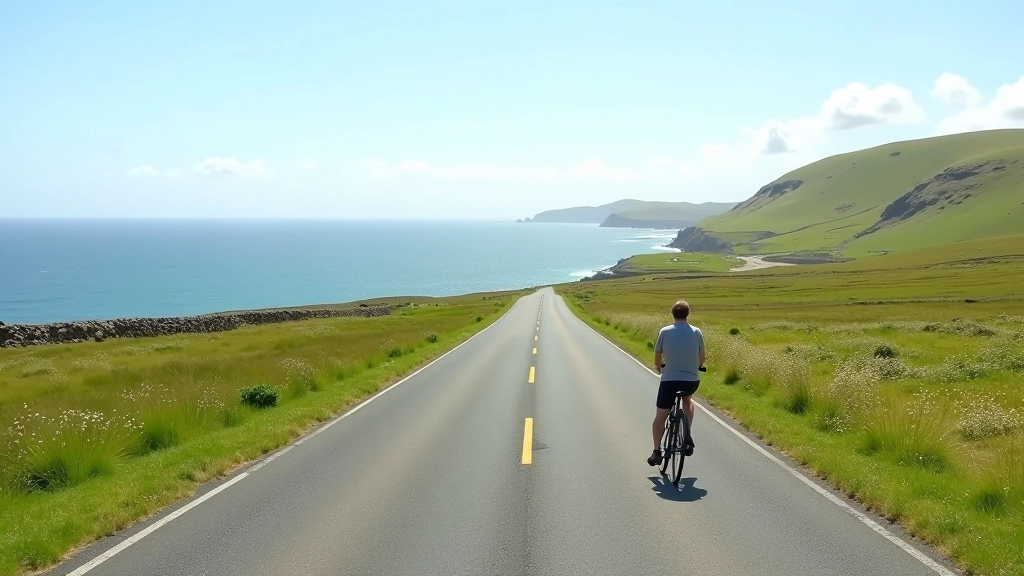
Most riders in their 60s and beyond find a comfortable pace sits between 10-14 km/h on flat terrain. That means the Atlantic Drive's 42-kilometre loop takes roughly 3-4 hours of actual riding time. But here's what matters: you're not riding for 3-4 hours straight. You're breaking it into chunks.
The Golden Rule: Plan for roughly 50 minutes of riding, then a 15-20 minute stop. This rhythm repeats naturally throughout your day.
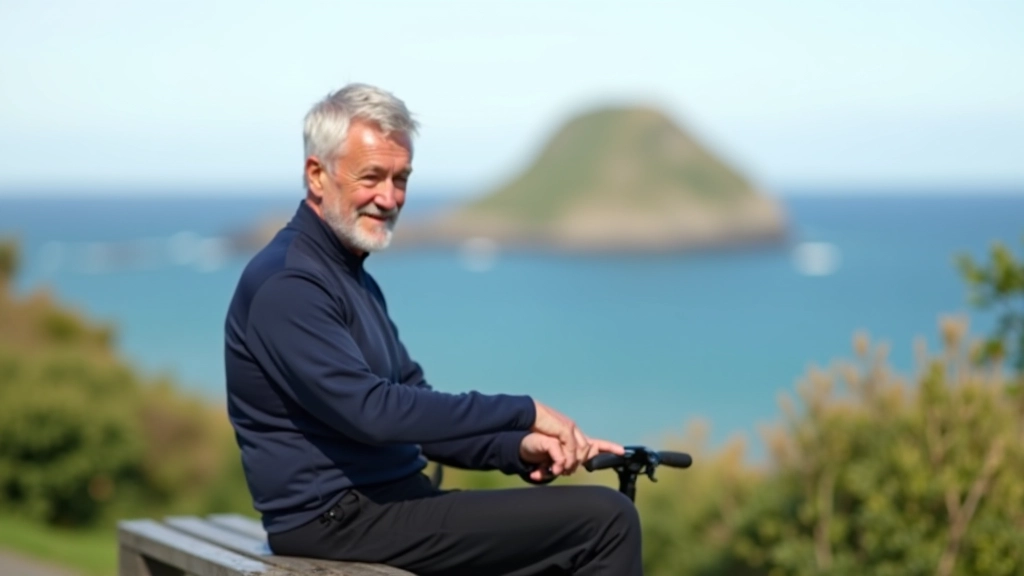
Rest Stops That Actually Work
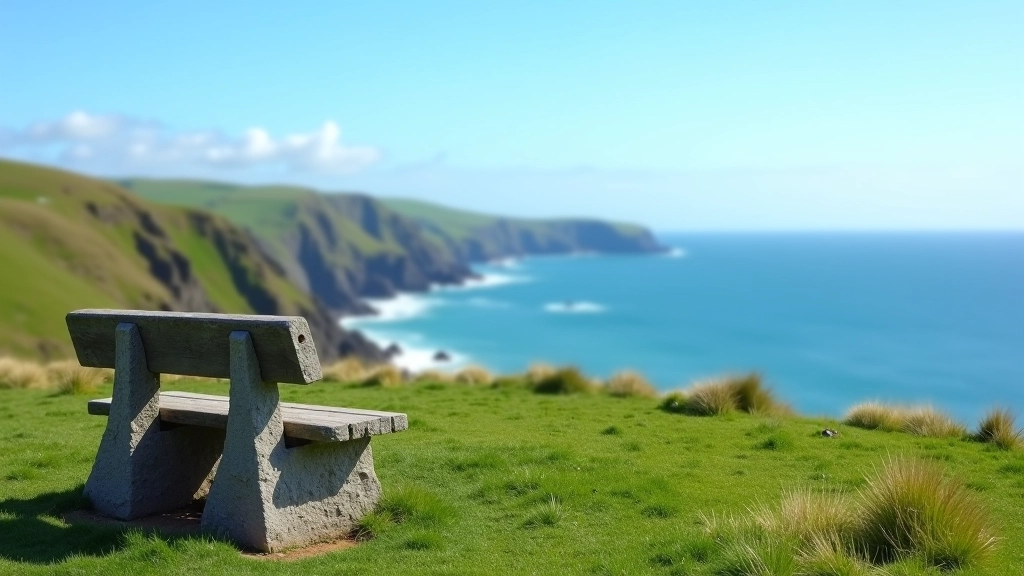
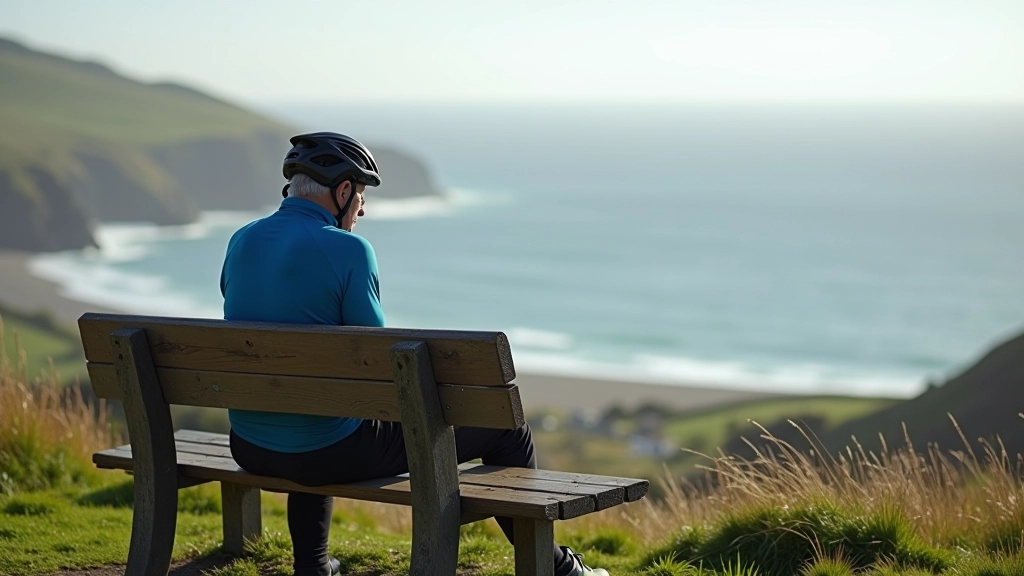
Not all rest stops are created equal. A bench facing a wall isn't the same as a bench facing the ocean. The best stops aren't just physical — they're mental. You want somewhere you can actually relax, not just park your bike for five minutes.
The Atlantic Drive's got excellent natural stopping points. Clare Island View near Achill Head is one of the best — the sight alone is worth the stop. Keel Beach has a proper car park with facilities. Ashleam Bay gives you sheltered spots if the wind picks up. These aren't random choices. They're places where you can genuinely recover.
During your 15-20 minute stop, don't just sit there. Eat something small — a banana, some dates, a bit of cheese. Have water. Your muscles need fuel to keep going, and your brain needs a proper break. If you're doing the full loop, you'll have three or four of these stops. That's 60-80 minutes of recovery built into your day.
Reading Your Body's Signals
Pain and discomfort are two different things. A slight burn in your legs when you're pushing uphill — that's normal. Sharp pain in your knee? Your lower back suddenly getting tight? That's your body saying "ease off now." The difference matters enormously.
Most cycling problems for older riders come from pushing through discomfort instead of respecting it. You don't need to complete the full loop today. You don't need to match someone else's pace. What you need is to ride in a way that means you can do this again next week, and the week after.
Signs You Need to Stop Earlier
- Sharp or shooting pain anywhere
- Difficulty breathing or feeling dizzy
- Legs feeling heavy or crampy despite good pacing
- Loss of balance or coordination
- Feeling genuinely exhausted rather than pleasantly tired
Planning Your Ideal Day
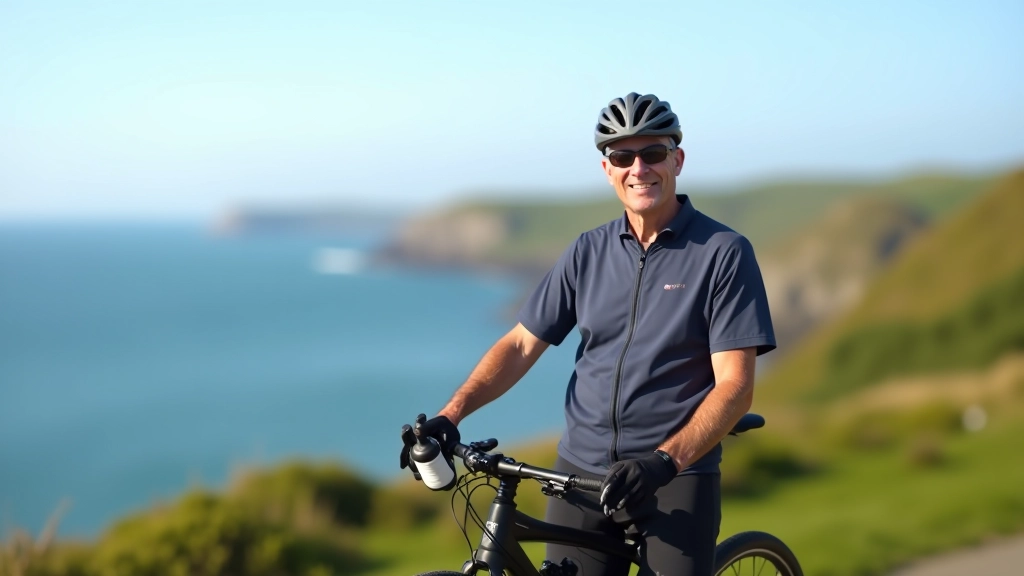
Here's what a solid day looks like: You start around 10 am, which gives the day warmth but avoids the afternoon glare. You cycle for roughly 50 minutes, then stop at Clare Island View for 20 minutes. You've covered about 9 kilometres. Grab some water and a snack.
Another 50 minutes puts you at Keel Beach by lunchtime. This stop's longer — maybe 30-40 minutes. You eat properly here, stretch your legs, use the facilities. You're at the halfway point.
The second half mirrors the first. Fifty minutes to Ashleam Bay, 20-minute break. Then the final stretch back. You're done by 3-4 pm, having cycled 42 kilometres with genuine rest built in. You're tired but satisfied, not exhausted.
This isn't rushed. It's not leisurely either. It's realistic — a day that feels like an accomplishment because you've done something substantial while respecting your own limits.
The Weather Factor
Atlantic winds aren't hypothetical on this route. They're real and they change everything about your pacing. A headwind can slow you by 2-3 km/h, which doesn't sound like much until you're cycling into it for 5 kilometres straight. Your recovery stops become even more important on windy days — you need them not just for physical recovery but to get out of the wind for a bit.
Plan your route so you're heading into the wind on the first leg when you're freshest, and with it on the way back when you're more tired. If the weather's really wild, shortening the route isn't failure — it's smart planning. You'll still get a proper day's cycling and you'll actually enjoy it.
Making It Sustainable
The best cycling days aren't the longest ones. They're the ones you can repeat. If you pace yourself properly, stop when your body asks for a break, and plan your route around good stopping points, you'll find a rhythm that works for years. That's the real goal — not conquering the Atlantic Drive once, but enjoying it regularly.
Next time you're planning a day on the coastal routes, don't ask "how fast can I do this?" Ask instead "how can I make this enjoyable and sustainable?" The answer's in the pacing and the stops. Always has been.